• Our Lady of Gietrzwałd was a set of Marian apparitions that took place in Gietrzwałd, Poland, in 1877. Gietrzwałd was a small village in Warmia, a region of Poland then under Prussian rule. The apparitions took place during a time of political and cultural tension, as the Prussian government attempted to Germanize the Polish population.

    On June 27, 1877, two young girls named Justyna Szafryńska and Barbara Samulowska were praying the Rosary in church when they saw a bright light and the Virgin Mary appeared sitting on a throne with the Child Jesus. In subsequent apparitions, Mary appeared to the girls in various places. She spoke to them in Polish which was significant given the fact the Prussian government was actively trying to suppress Polish language and culture.

    The girls asked Mary who she was and what she wanted, and Mary responded that she was the Immaculate Conception and expressed her desire for people to pray the Rosary, do penance, and live according to God’s will. She encouraged the Polish people to remain steadfast in their Catholic faith and to preserve their language and culture.

    During one of the apparitions that took place at a spring, Mary instructed that it be blessed. The water from this spring became known for its healing properties, and many pilgrims visit it seeking physical and spiritual healing.

    In 1977, 100 years after the apparitions, the Vatican officially recognized Our Lady of Gietrzwałd. The message of the apparition remains relevant today, reminding us of the importance of prayer, faith, and perseverance in the face of challenges.
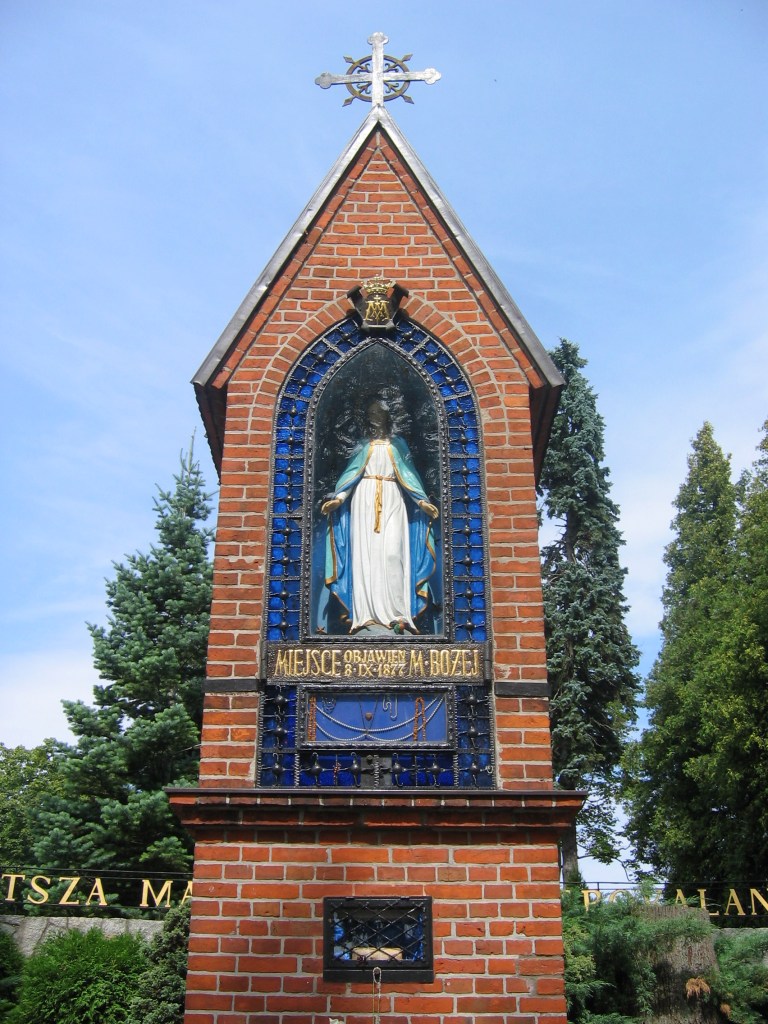
    I, Bogitor, CC BY-SA 3.0 http://creativecommons.org/licenses/by-sa/3.0/, via Wikimedia Commons
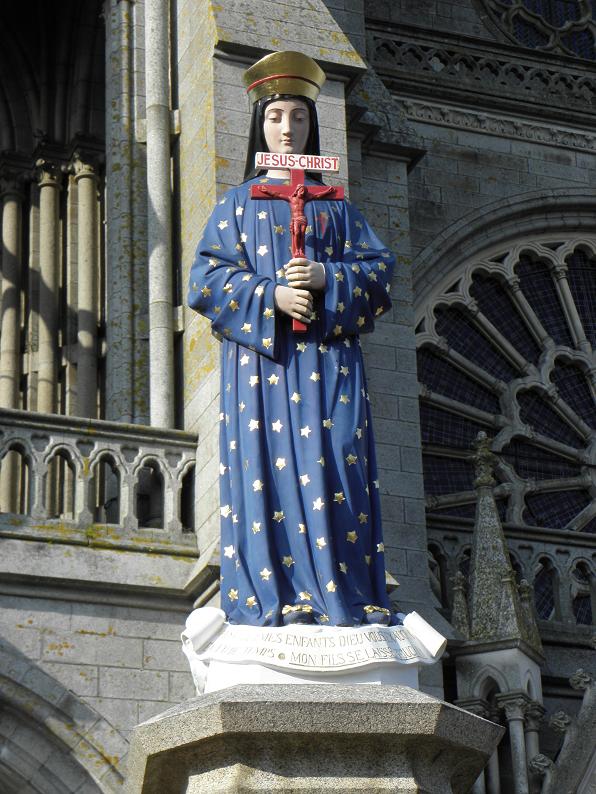
  • In 1871, France was in the midst of a war with Prussia. The situation was dire, and many feared the Prussian army would soon occupy the region. On the evening of January 17, 1871, four children – Eugène Barbedette (12 years old), his brother Joseph (10), and two young girls, Françoise Richer (11) and Jeanne-Marie Lebossé (9) – saw an apparition of a beautiful lady in the sky above the village. She was described as wearing a blue robe covered with golden stars, a golden crown on her head, and a dark veil.

    The Virgin Mary did not speak directly, but a message appeared over her head, written in golden letters that changed and evolved during the apparition. The message read: “But pray, my children. God will answer you in time. My Son allows Himself to be touched.”.

    The children’s parents and other villagers joined them in prayer, reciting the Rosary and other prayers. As they prayed, more villagers were able to see the apparition. The apparition lasted for about 3 hours, and as it ended, a white veil gradually covered the figure of the Virgin Mary, and the message disappeared.

    A few days after the apparition, news arrived that a ceasefire had been reached, ending the war.

    This apparition reminds us to turn to God during times of desperation when we need hope. It emphasizes the importance of prayer during difficult times.


    GO69
    , CC0, via Wikimedia Commons
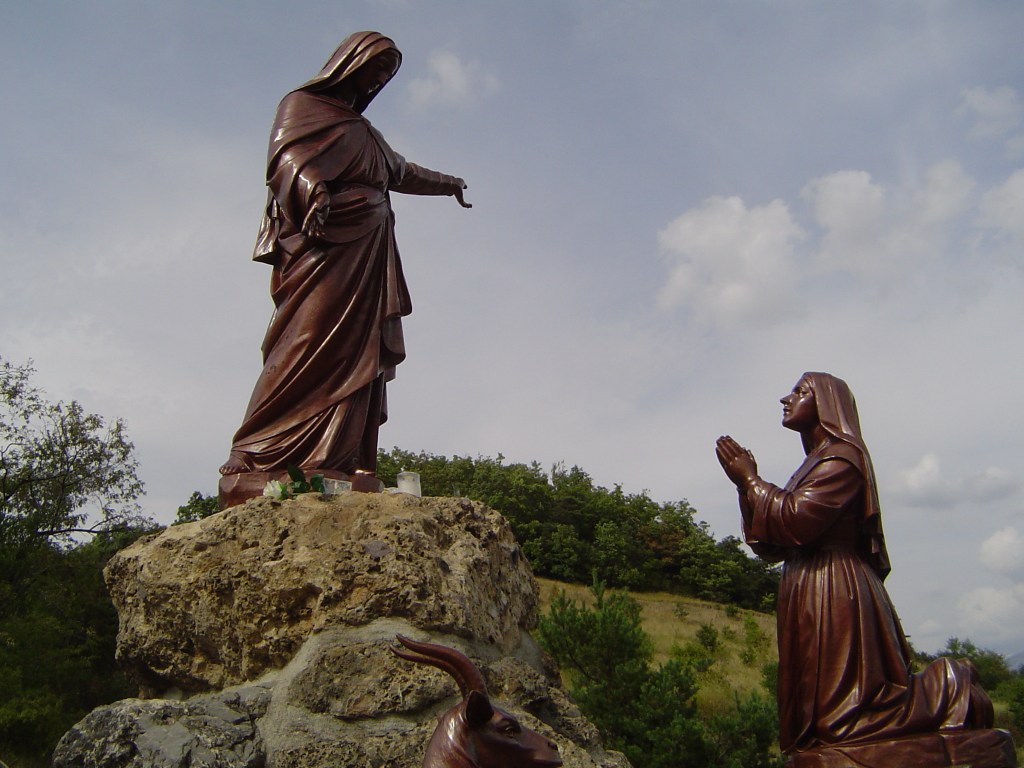
  • Our Lady of La Salette was a Marian apparition that occurred on September 19, 1846, in La Salette-Fallavaux, France. Two young shepherd children, Mélanie Calvat and Maximin Giraud, saw a “beautiful lady” bathed in a brilliant light on a mountain near the village. She was seated and weeping, and entrusted the children with a message to deliver to all people. The message conveyed several key points:

    • The Virgin Mary lamented the impiety of Christians, particularly their disregard for the Lord’s Day and their use of blasphemous language.
    • She warned of dire consequences if people persisted in their sinful ways.
    • She offered hope, promising divine mercy if people would amend their lives, observe the Lord’s Day, and refrain from blasphemy.

    During the apparition, the Virgin Mary gave each child a personal secret. These secrets were sent to Pope Pius IX in 1851. Giraud’s secret was never made public, and Calvat’s secret was published, containing apocalyptic prophecies and warnings.

    The children’s account of the apparition caused a sensation and prompted numerous investigations. In 1851, the Bishop of Grenoble, Mgr. Philibert de Bruillard, officially declared the apparition as certain and authorized the devotion to Our Lady of La Salette. Also, a religious order, the Missionaries of La Salette, was founded to promote the message of the apparition.

    This apparition is a reminder of the Blessed Virgin Mary’s concern for humanity and her call for people to turn away from sin and embrace a life of faith.

    Fr.Latreille, CC BY-SA 3.0 https://creativecommons.org/licenses/by-sa/3.0, via Wikimedia Commons

  • Our Lady of the Pillar, or Nuestra Señora del Pilar, was a Marian apparition in Zaragoza, Spain. The tradition surrounding Our Lady of the Pillar is one of the oldest Marian devotions in the Catholic Church. Around 40 AD, not long after the death and resurrection of Jesus Christ, the apostles scattered and preached the Gospel, but they faced challenges.

    One of the original apostles, St. James the Greater, was preaching in what is now Spain, but his efforts were met with little success. He was disheartened and struggled with his mission. While St. James was praying by the banks of the Ebro River in Zaragoza with some of his converts, the Virgin Mary appeared to him. This was unique because the Virgin Mary was still alive at the time living in Jerusalem.

    Mary appeared on a pillar of marble accompanied by angels. She instructed St. James to build a church on the spot where she appeared. She assured him that his place would be a center of devotion and a source of strength for the Christian faith. St. James, along with his disciples, immediately began constructing a small chapel in honor of the Virgin Mary. This chapel is considered to be the first church dedicated to Mary.

    After completing the chapel, St. James continued his missionary work in Spain for a while longer before returning to Jerusalem, where he was martyred.

    Over the centuries, the original chapel was replaced by larger structures to accommodate the growing number of pilgrims that visited. The present Basilica of Our Lady of the Pillar is a grand Baroque-style church that was built in 1681.

    The image of Our Lady of the Pillar is a wooden statue of Mary holding the Child Jesus. Devotion to her is particularly strong in Spain, where she is considered the Patroness of Spain and of the Spanish Civil Guard.

    CARLOS TEIXIDOR CADENAS, CC BY-SA 4.0 https://creativecommons.org/licenses/by-sa/4.0, via Wikimedia Commons

    Our Lady of the Pillar statue in the Basilica of Our Lady of the Pillar in Zaragoza, Spain.

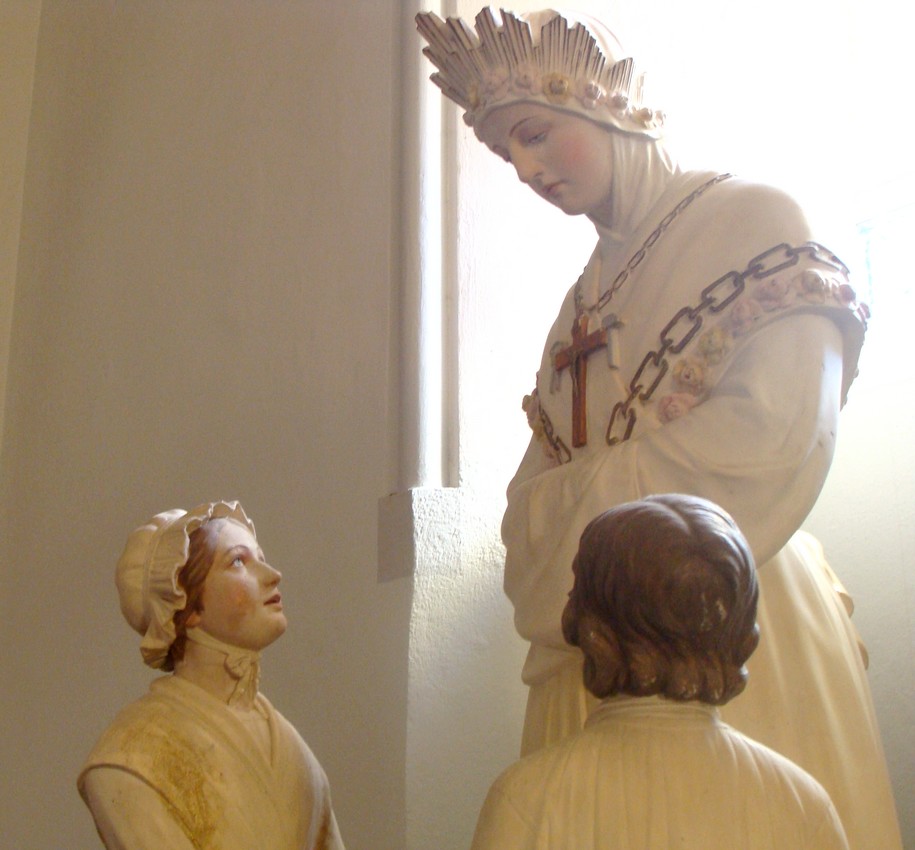
  • Our Lady of the Miraculous Medal began in Paris, France, in 1830, with apparitions appearing to St. Catherine Labouré, a novice of the Daughters of Charity of Saint Vincent de Paul. On July 18,1830, St. Catherine experienced her first vision in the chapel of the motherhouse of the Daughters of Charity. She was awakened by a child who led her to the chapel, where the Virgin Mary appeared, seated in a chair. St. Catherine knelt at Mary’s feet and spoke with her for several hours. Mary foretold future difficulties and instructed her how to act in times of trial.

    On November 27, 1830, during an evening meditation, St. Catherine had a second vision of the Virgin Mary. This time, Mary appeared standing on a globe, with dazzling rays of light emanating from rings on her fingers. Around this figure, St. Catherine saw an oval frame with the words, “O Mary, conceived without sin, pray for us who have recourse to thee”. St. Catherine then saw the other side of the image, which included the letter “M” surmounted by a cross, with a bar beneath it, and the Sacred Heart of Jesus crowned with thorns and the Immaculate Heart of Mary pierced by a sword. Mary instructed St. Catherine to have a medal struck according to this vision, promising that all who wear it with faith would receive great graces.

    After discussing with her confessor and careful investigation, the Archbishop of Paris, Mgr. de Quélen, gave permission to have the medal created. The medal quickly became distributed and popular, and stories of miracles and graces associated with it also spread rapidly.

    A notable example of a miracle associated with the medal is the story of Alphonse Ratisbonne. Ratisbonne was a Jewish man who reluctantly wore the medal, and subsequently experienced a vision of the Virgin Mary, leading to his conversion to Catholicism.

    The Miraculous Medal is rich in symbolism:

    • Mary standing on the globe represents her role as Queen of Heaven and Earth.
    • “O Mary, conceived without sin, pray for us who have recourse to thee” affirms Mary’s Immaculate Conception and her role as intercessor.
    • The Sacred Heart of Jesus and the Immaculate Heart of Mary represent the love of Jesus and Mary for humanity.

    Today, the Miraculous Medal remains one of the most popular sacramentals worn by Catholics all around the world. It serves as a reminder of her intercession, her Immaculate Conception, and the graces available to those who trust in her. It is a symbol of faith, devotion, and a commitment to living a Christian life.

    Image credit: SJasminum, licensed under CC BY 4.0.

    A statue of Our Lady of the Miraculous Medal in the Philippines.

    Image credit: Jože, licensed under CC BY 4.0.

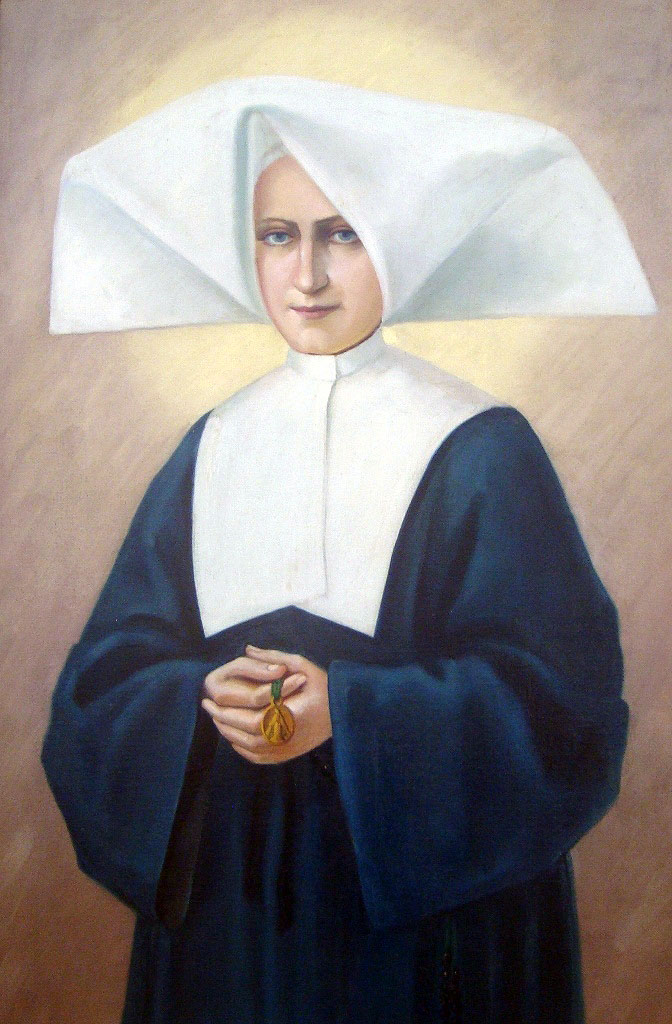
    An image of St. Catherine Labouré

    Image credit: Xhienne, licensed under the GNU Free Documentation License.

    A Miraculous Medal

  • Our Lady of Laus is a set of Marian apparitions that occured between 1664 and 1718 in the small village of Saint-Étienne-le-Laus, in the French alps. In May of 1664, a young 17-year-old shepherdess named Benoîte Rencurel saw an apparition of St. Maurice, a local patron saint, who warned her of future troubles and urged her to pray. Over the next few months, she continued to receive visits from St. Maurice.

    Later that summer, Rencurel saw a beautiful lady holding a child while tending her sheep. The lady did not identify herself, but Rencurel felt drawn to her. The lady appeared several times, and Rencurel would share her small meals with her, not realizing who this was and that she did not need the meals.

    One day when the Virgin Mary appeared to her, Rencurel asked who she was. The Virgin Mary replied, “I am Mary, the Mother of Jesus.” Mary then told Rencurel to visit the nearby valley of Laus, where she would find an old chapel emitting a sweet fragrance. She told Rencurel that God wished to establish a special place there for the conversion of sinners, and many would be healed.

    Rencurel went to the valley and found the dilapidated chapel of Notre-Dame de Bon Rencontre (Our Lady of Good Encounter). The chapel was filled with a sweet aroma, and Rencurel dedicated herself to restoring the chapel and welcoming pilgrims. Mary instructed Rencurel to use the oil from the lamp burning before the image of Our Lady in the chapel to anoint the sick. Many people anointed with this oil reported miraculous healings.

    For the rest of her life until her death in 1718, Rencurel was visited by Mary and she lived a life of humility and service at Laus. She welcomed pilgrims, offered counsel, and prayed for the sick and suffering.

    Image credit: moi-même, licensed under the GNU Free Documentation License.

    A statue in front of the church in Laus.

  • Our Lady of Good Help, also known as Our Lady of Champion, is the only Marian apparition in the United States approved by the Church. In 1859, a Belgian immigrant named Adele Brise was walking through the woods when she encountered a beautiful woman standing between two trees dressed in dazzling white with a golden sash around her waist and a crown of stars above her yellow hair. Adele consulted her local parish priest, who advised that she should ask the woman who she was and what she wanted.

    Adele was walking to mass when the apparition appeared again. The woman identified herself as the “Queen of Heaven who prays for the conversion of sinners”. She instructed Adele to teach children their faith and to return to the chapel for daily prayers. She was told to help preserve the Catholic faith in the region by educating children, many of whom were not receiving religious instruction.

    Following this experience, Adele dedicated her life to fulfilling the Virgin Mary’s request. Despite facing challenges like lack of resources and skepticism from members of the community, she began traveling the countryside, visiting homes and teaching children about the Catholic faith. Adele and other women formed a religious community with a school and chapel near the site of the apparitions.

    In 1871, a massive fire swept through the region, destroying homes, farms, and entire towns. The fire, known as the Peshtigo Fire, was one of the deadliest fires in North American history. The grounds of the chapel and school were untouched, and many saw this as a sign of divine protection.

    The message from Our Lady of Good Help reminds us to work hard to educate those around us about the Catholic faith.

    RoyalbroilCC BY-SA 3.0, via Wikimedia Commons

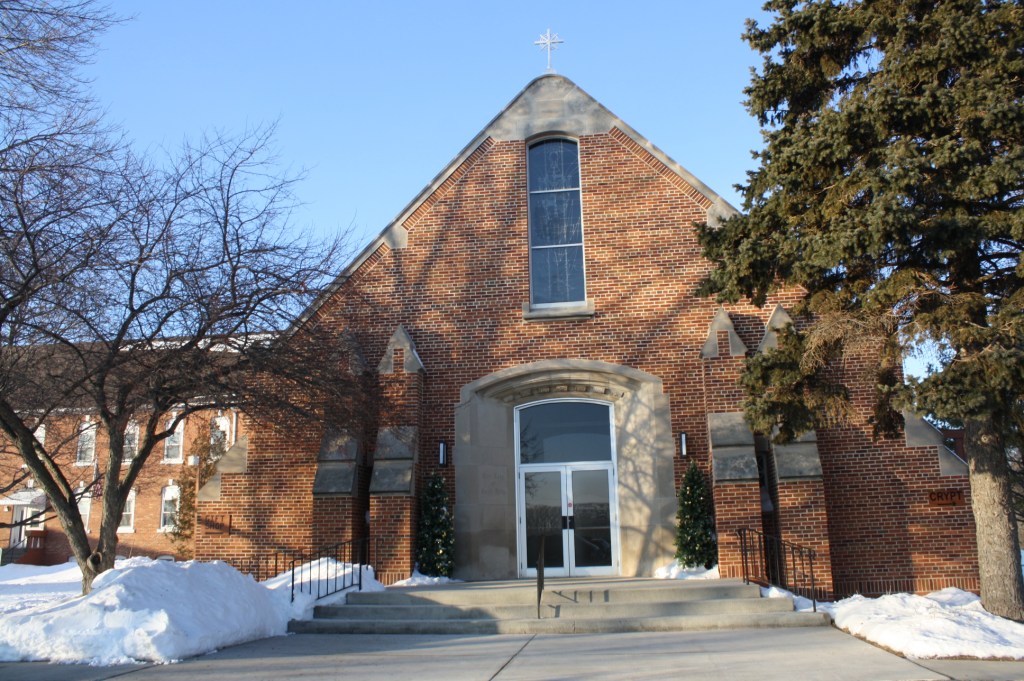
    The Chapel of Our Lady of Good Help in New Franken, Wisconsin.

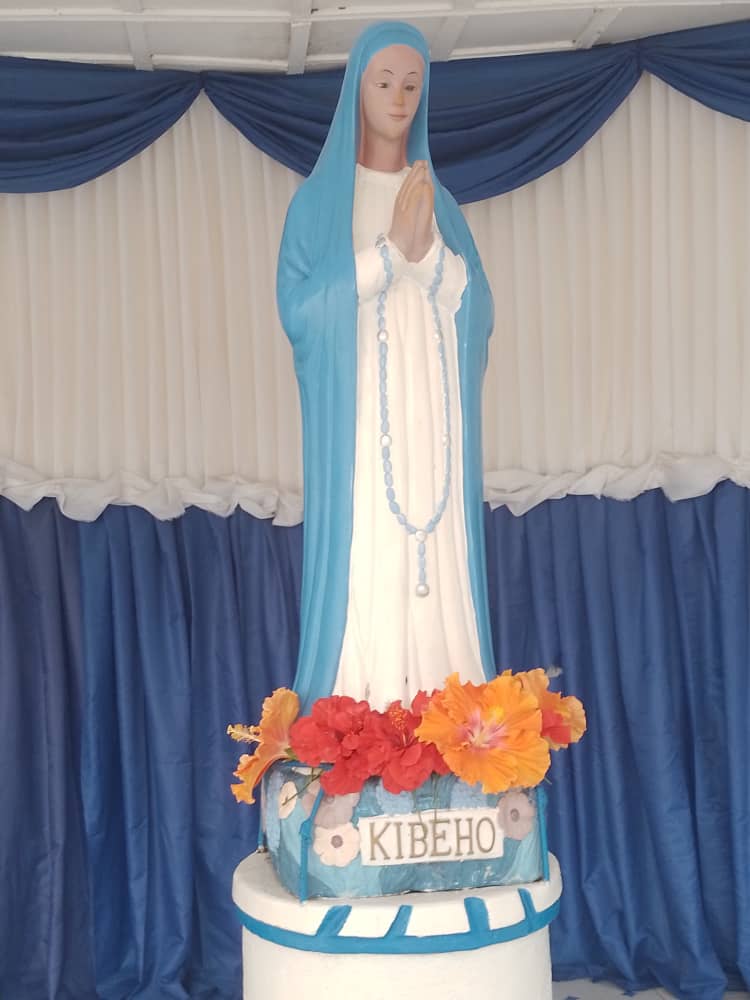
  • Our Lady of Kibeho appeared in the small village of Kibeho, located in southwestern Rwanda. The apparitions began in the early 1980s during a time of rising tensions that tragically culminated in the Rwandan Genocide of 1994. The main visionaries were three young women named Alphonsine Mumureke, Nathalie Mukamazimpaka, and Marie Claire Mukangango. On Novemeber 28, 1981, Mumureke saw the Virgin Mary in the schoolyard of the local college. She appeared dressed in traditional African attire with a long white gown, blue sash, and a veil, sometimes holding a rosary.

    The Virgin Mary called for repentance and conversion to avoid suffering and death. She warned of violence and genocide if people did not turn back to God, and she urged prayer, especially the Rosary, to bring peace. She also promoted the devotion to herself as the Mother of Sorrows.

    The messages were initially met with skepticism and even some hostility due to the political climate at the time. In 2001, the Church recognized these apparitions, making it the first and only Vatican-approved Marian apparition in Africa.

    Image credit: Celestin KANUMA, licensed under CC BY 4.0.
    Image credit: Magallican, licensed under CC BY 4.0

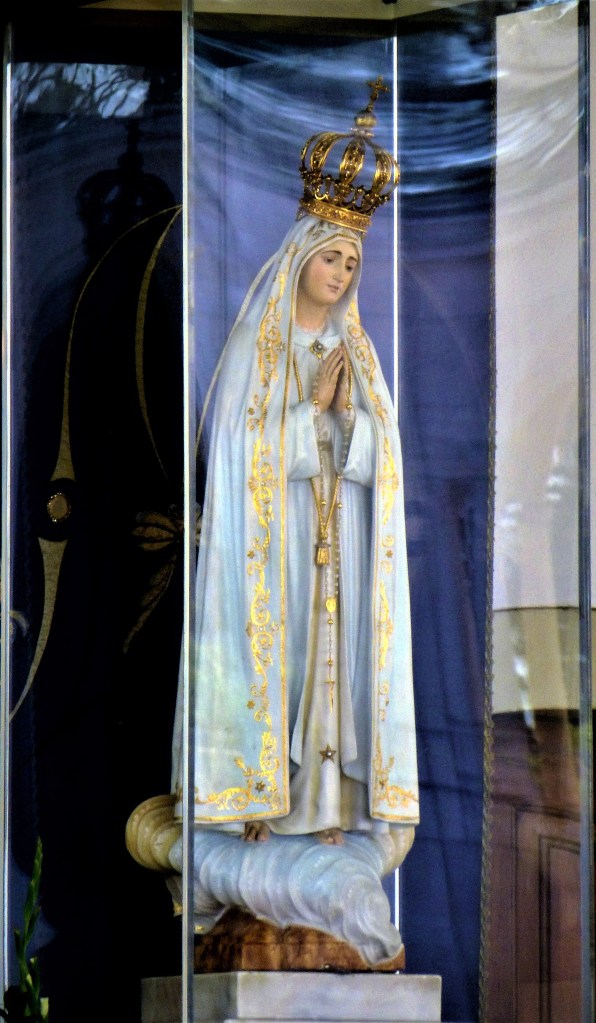
  • On May 13, 1917, three shepherd children named Lúcia Santos, Jacinta Marto, and Francisco Marto were tending sheep in Fatima, Portugal, in a place called Cova da Iria when they saw a woman “brighter than the sun”, who identified herself as being from heaven. She asked them to return to this same location on the 13th of each month for the next six months. The Lady also requested that they pray the Rosary every day to bring peace to the world and an end to World War I.

    Each month, the children returned to Cova da Iria, and the lady appeared to them each time sharing messages. Other people caught wind of this, and each apparition the crowds grew, with thousands gathering by October. The Virgin Mary emphasized prayer, penance, and conversion. She also foretold future events, including the end of World War I and the possibility of a worse war if people did not stop offending God.

    During the final apparition, a crowd of around 70,000 people witnessed what became known as the “Miracle of the Sun”. After the Virgin Mary identified herself as the “Lady of the Rosary”, the sun appeared to change colors and rotate in the sky. Witnesses reported that the sun seemed to fall towards the earth before returning to its normal position. This event was widely reported in the media, and it even contributed to the conversion of many atheists who were in attendance.

    During the apparitions, the Virgin Mary revealed three secrets to the children. Lúcia wrote down these secrets.

    • 1st Secret – A terrifying vision of hell, where souls were suffering in torment. This vision emphasized the need for prayer and sacrifice to save souls from eternal damnation.
    • 2nd Secret – Predicted the outbreak of World War II and the rise and spread of communism. The Virgin Mary warned that the Soviet Union would spread its errors throughout the world, causing wars and persecutions of the Church.
    • 3rd Secret – This secret was kept for many years and was only revealed by the Vatican in 2000. It is described as a vision of a “bishop dressed in white” being killed by soldiers in a city reduced to ruins. This has been interpreted by some as a prophecy for the assassination attempt on Pope John Paul II in 1984.

    As is the story with many of the Marian apparitions, Mary calls us to live a life of prayer, repentance, and conversion. It is a reminder for us to constantly seek conversion to a more devout life, and to pray for the conversion and repentance of those around us who may be far from God.

    The first sculpture of the Virgin of Fatima, made in 1920 by Joseph Ferreire Thedim after Sister Lucia’s descriptions of Our Lady when She appeared in 1917, by Bingar1234, licensed under CC BY-SA 4.0.
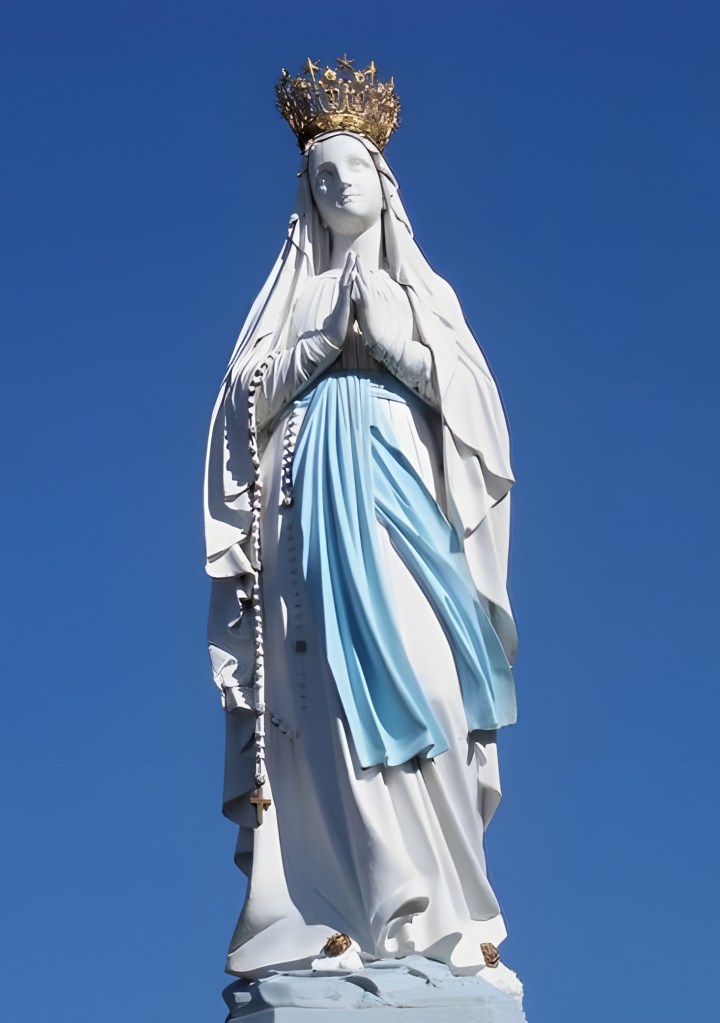
  • Lourdes is a town in the foothills of the Pyrenees Mountains in southern France. In 1858, Bernadette Soubirous, a 14-year-old girl, experienced a series of apparitions in a grotto called Massabielle. On February 11, 1858, while gathering firewood with her sister and a friend, Bernadette saw a light emitting from the grotto, and then a “beautiful lady” appeared to her. The lady was dressed in white with a blue sash and she was holding a rosary. Over the next several months, the Virgin Mary appeared to Bernadette 18 times. Only Bernadette was able to see the apparition, despite others being present.

    During the apparitions, the Virgin Mary conveyed messages of prayer, penance, and conversion. She asked Bernadette to pray for sinners and to tell priests to build a chapel at the grotto. Two weeks after the initial apparition, on February 25, the Virgin Mary during the ninth apparition instructed Bernadette to drink and wash in a spring that was not yet visible. Bernadette dug in the ground, and a muddy puddle appeared, which eventually turned into a clear spring. It is believed that the water in the spring has healing powers, and many pilgrims have reported miraculous cures upon visiting the spring.

    During the sixteenth apparition on March 25, the Virgin Mary revealed her identity to Bernadette, saying in the local dialect, “Que soy era Immaculada Councepciou” meaning “I am the Immaculate Conception”. Interestingly enough, the dogma of the Immaculate Conception had been defined four years prior by Pope Pius IX, thus the Blessed Virgin Mary seemed to be confirming that in this statement.

    Mary repeatedly asked Bernadette to pray, especially the Rosary. She told Bernadette to pray for sinners, and she urged penance for the conversion of sinners. Our Lady of Lourdes gives us a spiritual assurance of Mary’s presence among the suffering, and the invitation to improve our prayer lives, to repent, and to seek holiness.

    Pope Pius X established the Feast Day of Our Lady of Lourdes on February 11, 1907. February 11 is also celebrated as the World Day of the Sick, instituted by Pope John Paul II in 1992, and pilgrims around the world visit Lourdes to seek healing and consolation.

    After her experience, Bernadette joined the Sisters of Charity of Nevers in 1866, and she sought a life of prayer and service away from the public eye. She passed away at in 1879 at the young age of 35, and reportedly her last words were: “I have seen her again! How beautiful she is!”. She was canonized by Pope Pius XI in 1933, and she is the patron saint of shephers, field workers, and the sick.

    Image credit: Octave 444, CC BY-SA 4.0

    Note: This is not the actual Our Lady of Lourdes statue at the pilgrimage site. This is another one.