Our lady of Šiluva was a Marian apparition that occurred in the early 17th century in Šiluva, Lithuania. In the 16th century, the Protestant Reformation spread across Europe, and Lithuania was not untouched by these religious changes. Many Catholic lands were seized, and some of the population converted to Calvinism.
In 1608, shepherds in the area reported seeing a woman weeping and holding a baby in a field in Šiluva. She was asked why she was weeping and she responded, ” Formerly in this place, my Son was worshipped, but now people plow and sow.” The apparition led to the discovery of a buried chest containing Catholic treasures, including a painting of the Virgin Mary with the infant Jesus, the original Church’s deed, and other valuables. These items had been hidden by the parish priest during the Reformation to protect them from desecration.
Many people in the region saw this as a sign from God, reaffirming the importance of the Catholic faith. It played a significant role in the conversion of many people back to Catholicism. Our Lady of Šiluva is considered of symbol of Lithuania’s Catholic faith throughout centuries of challenges.
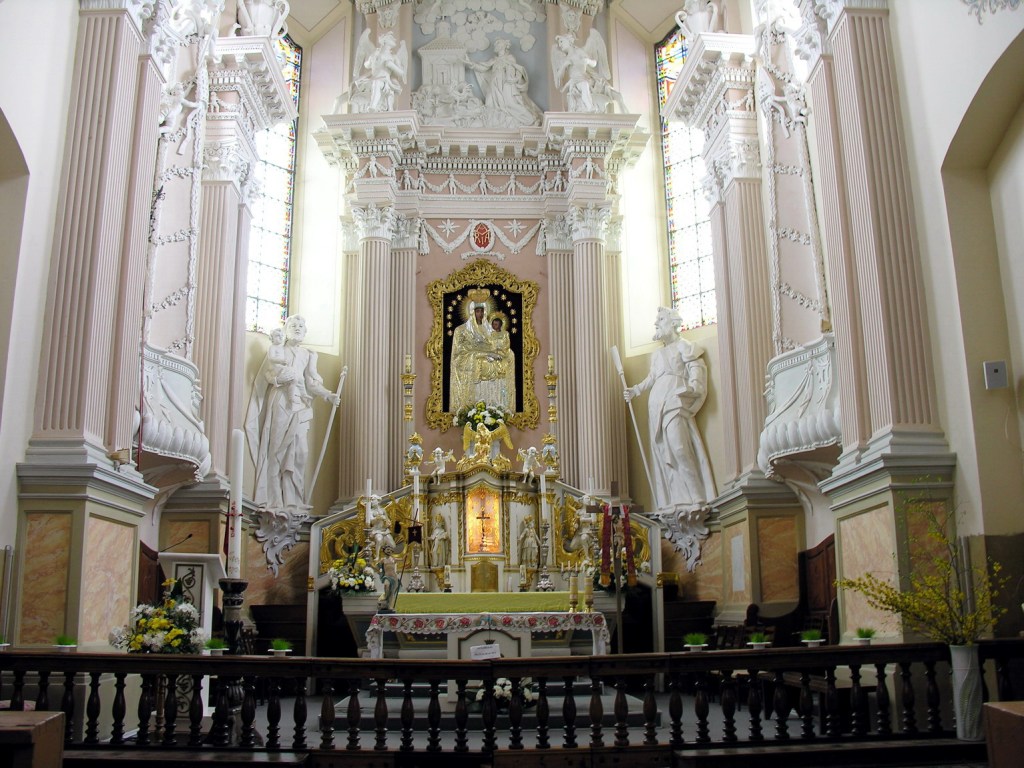
The image of Our Lady of Šiluva is a painting of the Virgin Mary holding the infant Jesus. It serves as a reminder of the importance of our Catholic faith.
 Veritas et Lux
Leave a comment